

What Are Mudras? Understanding These Sacred Hand Positions
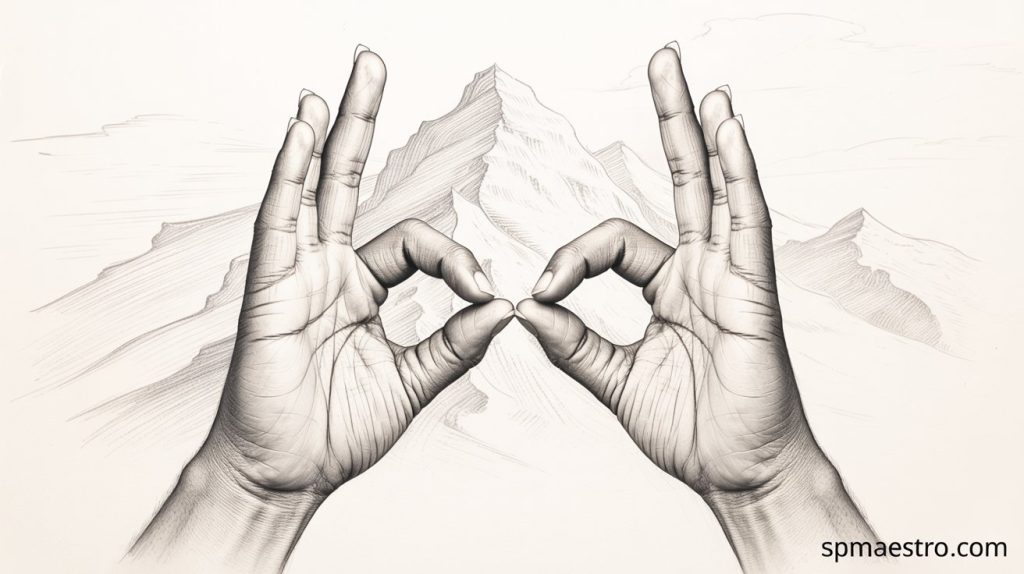
Have you ever wondered what those graceful hand gestures mean when you see yogis meditating? These are mudras—ancient hand positions that hold profound power.
The word “mudra” comes from Sanskrit, meaning “seal” or “gesture.” For over 5,000 years, yogis in India have practiced these sacred hand positions to unlock inner potential and channel life force energy.
Think of mudras as yoga for your hands. Just as yoga poses benefit your body, these hand positions create energetic circuits that influence your mind, body, and spirit.
The Ancient Wisdom Behind Mudras
Ancient yogis discovered something remarkable: your hands are powerful energy centers. Each fingertip contains thousands of nerve endings directly connected to specific brain regions and body organs.
When you form mudras, you’re not just making symbolic gestures. You’re activating neural pathways, balancing energy channels called nadis, and creating specific electromagnetic patterns within your body.
Modern science now validates what ancient wisdom always knew. Research shows that different finger positions stimulate distinct areas of the brain, influencing everything from hormone production to emotional states.
What Are Mudras Made Of? The Five Elements Connection
Ayurveda teaches that your body comprises five fundamental elements. Remarkably, each finger represents one of these elements:
- Thumb: Fire (Agni) – metabolism and transformation
- Index finger: Air (Vayu) – movement and nervous system
- Middle finger: Space (Akasha) – expansion and intuition
- Ring finger: Earth (Prithvi) – stability and structure
- Little finger: Water (Jala) – emotions and fluidity
When these elements fall out of balance, you experience discomfort, disease, or emotional distress. Mudras restore this balance by connecting specific fingers, thereby harmonizing the elements within you.
What Are Mudras Used For? 7 Transformative Hand Positions
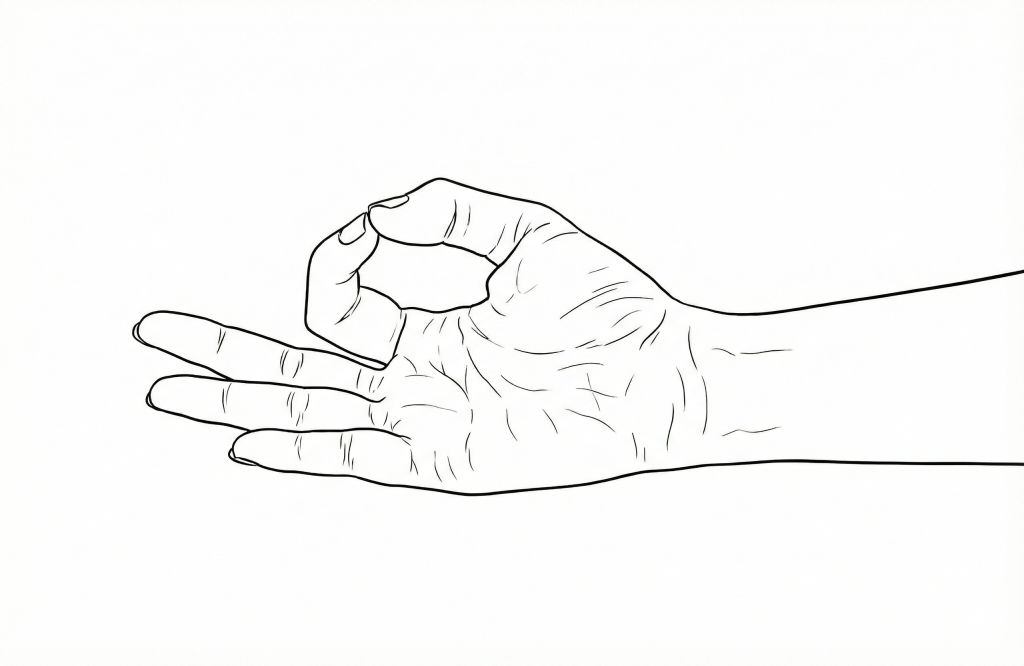
1. Gyan Mudra – The Gesture of Knowledge
This is the most recognizable mudra you’ll see in meditation. Gyan Mudra opens the door to higher consciousness and mental clarity.
How to practice:
- Gently touch your thumb tip to your index finger tip
- Extend the remaining three fingers naturally
- Rest both hands on your knees, palms facing upward
- Keep your spine straight and shoulders relaxed
What are mudras like Gyan Mudra good for?
- Sharpens concentration and memory recall
- Calms anxiety and racing thoughts
- Enhances spiritual awareness and intuition
- Activates the root chakra for grounding
- Improves sleep quality
Duration: Practice for 15-45 minutes daily, ideally during morning meditation.
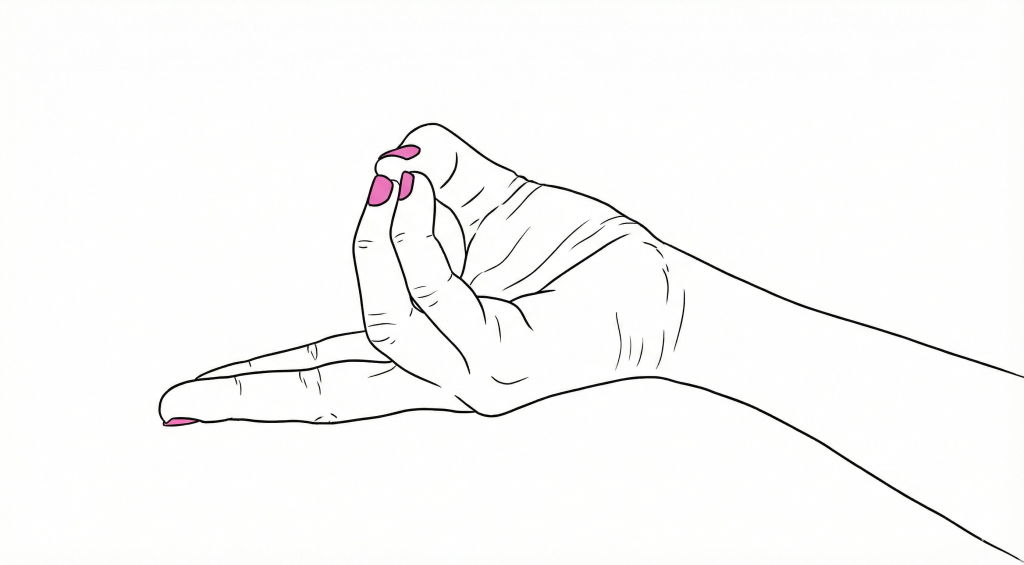
2. Prana Mudra – The Life Force Gesture
Prana means “life force energy.” This mudra awakens dormant energy within you and revitalizes your entire being.
How to practice:
- Touch the tips of your thumb, ring finger, and little finger together
- Keep your index and middle fingers comfortably extended
- Practice with both hands simultaneously
Benefits:
- Strengthens immune system function
- Reduces chronic fatigue and lethargy
- Improves vision and eye health
- Balances all five elements harmoniously
- Increases vitality and stamina
Duration: Practice 10-30 minutes, three times daily for optimal energy.
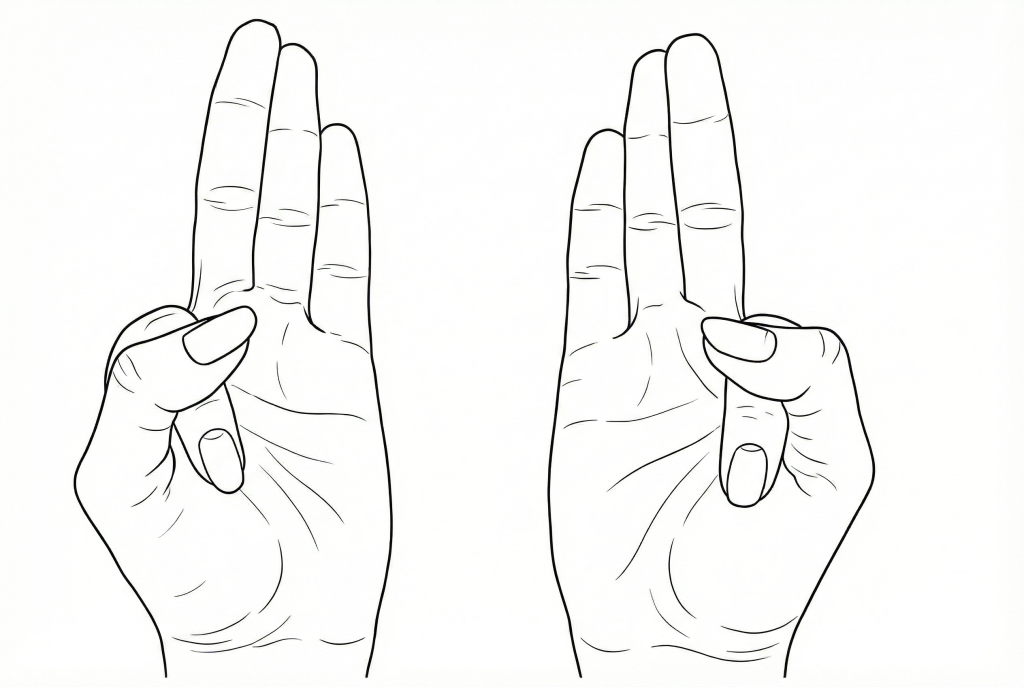
3. Vayu Mudra – The Wind Element Gesture
When the air element becomes excessive, you experience gas, bloating, anxiety, and restlessness. Vayu Mudra brings relief by balancing this element.
How to practice:
- Fold your index finger down toward your palm
- Press it gently with your thumb
- Keep the other three fingers straight and relaxed
- Can be practiced with one or both hands
What are mudras like Vayu Mudra effective for?
- Relieves arthritis and joint pain quickly
- Reduces bloating and gastric discomfort
- Calms nervous system and anxiety
- Alleviates neck and back pain
- Improves circulation
Duration: Practice only until symptoms subside, then discontinue. This mudra should not be practiced continuously.
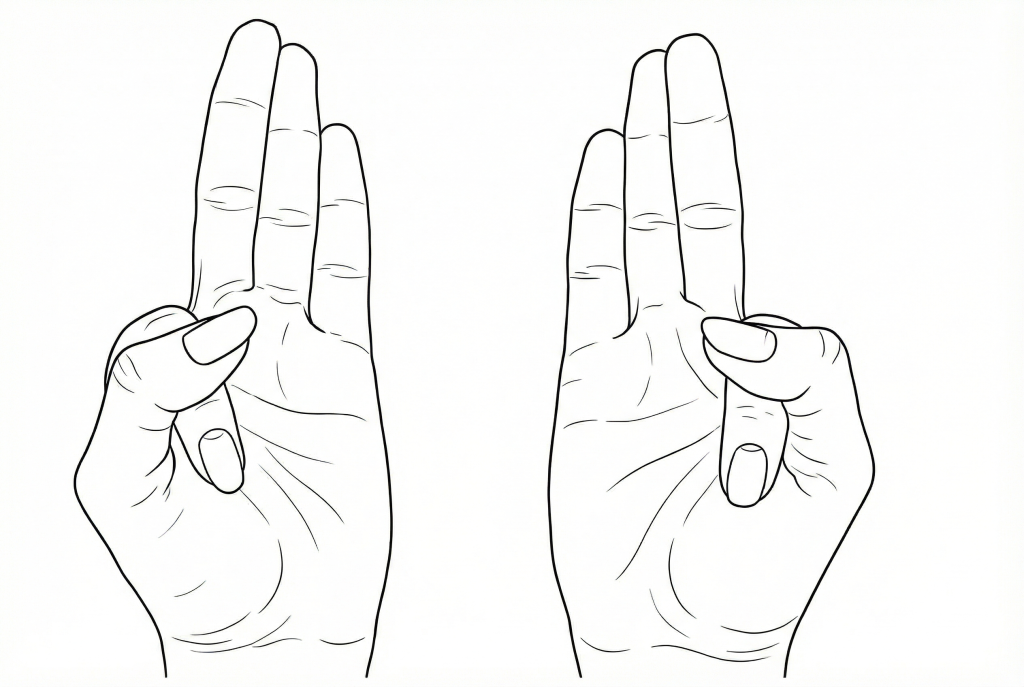
4. Prithvi Mudra – The Earth Element Gesture
Feel scattered or ungrounded? Prithvi Mudra connects you deeply to earth energy, promoting stability and physical strength.
How to practice:
- Touch your ring finger tip to your thumb tip
- Extend the other three fingers comfortably
- Practice with both hands on your knees
Benefits:
- Increases physical strength and endurance
- Improves digestion and nutrient absorption
- Enhances skin radiance and hair growth
- Promotes emotional stability and patience
- Reduces stress and promotes calmness
- Strengthens bones and tissues
Duration: 30-45 minutes daily for best results.
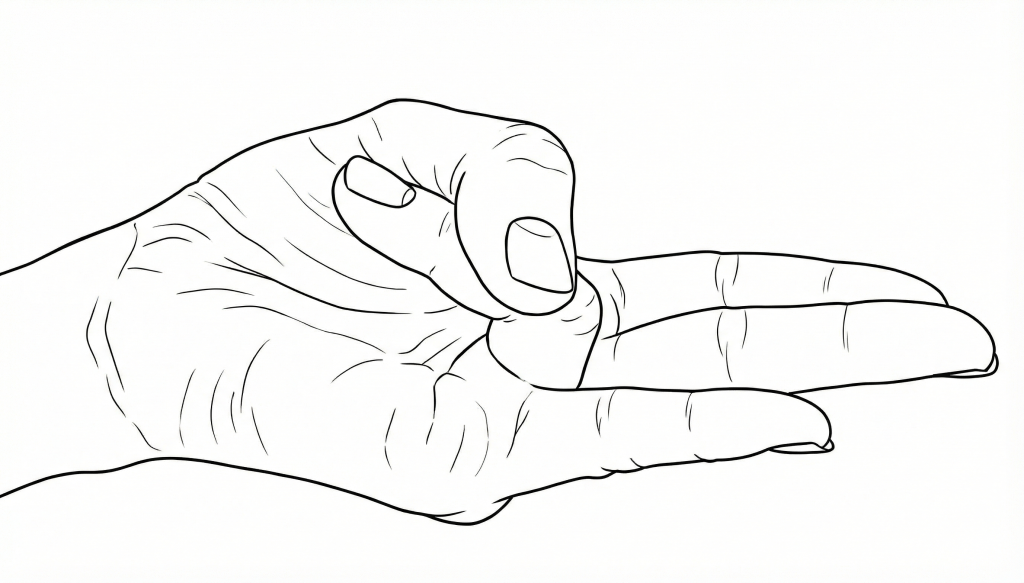
5. Surya Mudra – The Sun Gesture
This heat-generating mudra ignites your inner fire, perfect for boosting metabolism and increasing energy levels.
How to practice:
- Fold your ring finger toward your palm
- Press it gently with your thumb
- Keep the other fingers extended
- Practice with both hands
What are mudras like Surya Mudra beneficial for?
- Supports healthy weight management
- Reduces cholesterol levels naturally
- Improves sluggish digestion
- Increases body temperature
- Boosts metabolism and energy
Duration: 5-15 minutes twice daily. Avoid if you have high body heat, fever, or inflammation.
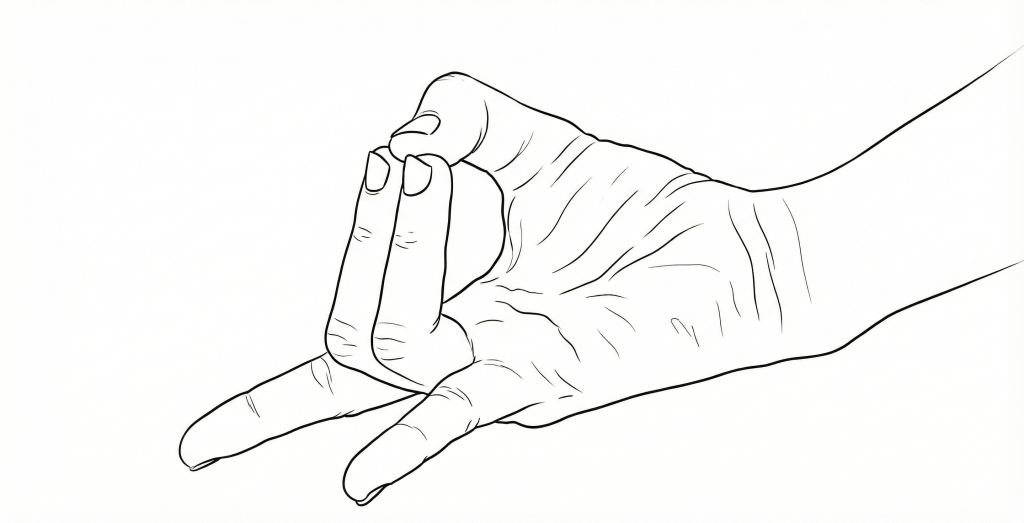
6. Apana Mudra – The Downward Energy Gesture
Known as the detoxifying mudra, Apana promotes elimination of physical and emotional toxins from your system.
How to practice:
- Touch your thumb, middle finger, and ring finger tips together
- Keep your index and little fingers extended naturally
Benefits:
- Supports natural detoxification processes
- Relieves constipation and urinary issues
- Regulates menstrual cycles
- Helps during childbirth
- Balances emotions and reduces irritability
- Promotes healthy elimination
Duration: 15-45 minutes daily, preferably in the morning.
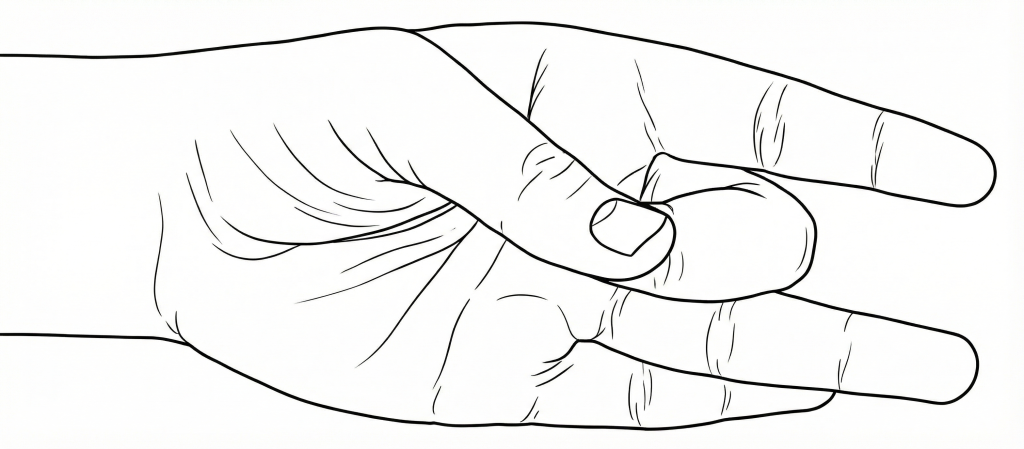
7. Shunya Mudra – The Void Gesture
This therapeutic mudra is exceptionally effective for ear-related problems and maintaining thyroid balance.
How to practice:
- Fold your middle finger down toward your palm
- Press it gently with your thumb
- Keep the other fingers straight and extended
What are mudras like Shunya Mudra used to treat?
- Ear pain and hearing difficulties
- Tinnitus (ringing in ears)
- Thyroid imbalances
- Gum and dental issues
- Speech and communication problems
- Vertigo and dizziness
Duration: 40-60 minutes or until symptoms improve. Discontinue once relief is achieved.
What Are Mudras Best Practices? Essential Guidelines
Creating Your Sacred Space
Transform your practice area into a sanctuary. The environment matters when working with subtle energies.
Light natural incense like sandalwood or jasmine. Play soft instrumental music—perhaps a flute or sitar. If possible, practice outdoors in nature or near a window with natural light.
Optimal Timing for Mudras
While you can practice mudras anytime, certain periods amplify their effectiveness:
Brahmamuhurta (4-6 AM): The most powerful time for spiritual practices
Morning (6-10 AM): Perfect for energizing mudras like Prana and Surya
Afternoon (2-4 PM): Good for concentration mudras during work or study
Evening (6-8 PM): Ideal for calming mudras like Gyan
Before Sleep: Relaxing mudras promote deeper rest
Combining Mudras with Breathwork
Never underestimate the power of breath. Synchronize your mudra practice with pranayama for exponential benefits.
Try this: As you hold Gyan Mudra, practice deep belly breathing. Inhale for 4 counts, hold for 4, exhale for 6. This combination calms your nervous system profoundly.
What Are Mudras Solutions For? Common Health Issues
Understanding what mudras can address helps you choose the right practice for your needs.
For Stress and Overwhelm
Gyan Mudra combined with slow, conscious breathing provides immediate relief. Practice for just 10 minutes when stress peaks.
For Low Energy and Fatigue
Prana Mudra acts like a natural energy drink without side effects. Practice mid-afternoon when energy typically dips.
For Digestive Troubles
Apana Mudra practiced after meals supports healthy digestion and elimination. Many find relief within days.
For Focus During Work
Hold Gyan Mudra discreetly at your desk while working. Notice how concentration improves and mental chatter reduces.
For Joint Discomfort
Vayu Mudra provides surprisingly quick relief from arthritis and rheumatic pain. Practice at the first sign of discomfort.
What Are Mudras Spiritual Benefits? Beyond Physical Healing
While physical benefits are wonderful, mudras serve as powerful spiritual tools that our ancestors treasured.
Ancient yogis used these hand positions to:
Awaken Kundalini Energy: The dormant spiritual force at the base of your spine
Balance Chakras: Energy centers that govern different aspects of your being
Deepen Meditation: Hand positions anchor your awareness and prevent mind wandering
Connect with Universal Consciousness: Mudras create resonance with cosmic energy
When practiced with devotion and presence, mudras transcend mere hand positions. They become sacred offerings—physical prayers that unite you with something greater than yourself.
What Are Mudras Safety Considerations? Important Precautions
Understanding what mudras require for safe practice ensures optimal benefits without complications.
Essential Guidelines:
- Empty stomach practice: Wait at least 2 hours after eating meals
- Respect time limits: More isn’t always better—follow recommended durations
- Listen to your body: Discomfort signals you should stop or adjust
- Seek professional guidance: For serious health conditions, consult both doctors and experienced yoga teachers
- Practice patience: Subtle energy work requires time—expect gradual results
- Gentle pressure only: Never force fingers together—touch should be light and comfortable
When to avoid certain mudras:
- Skip Surya Mudra during fever, inflammation, or hot weather
- Discontinue Vayu Mudra once symptoms resolve
- Pregnant women should consult experts before starting new practices
What Are Mudras Safety Considerations? Important Precautions
The secret to experiencing mudra benefits? Consistency over intensity. Small daily practices outperform sporadic long sessions.
Morning Ritual (10 minutes): Begin your day with Gyan Mudra during meditation. Set your intention for the day.
Workplace Practice (5 minutes): Keep Prana Mudra discreet at your desk. Nobody needs to know you’re recharging.
Commute Time: Use travel time for Prithvi Mudra. Stay grounded despite external chaos.
Evening Relaxation: Practice Shunya Mudra while reading or watching television. Multitask mindfully.
Bedtime Routine: End your day with Apana Mudra. Release what no longer serves you before sleep.
Image Placeholder 9 Prompt: Timeline-style pencil sketch illustration showing Indian person practicing different mudras throughout the day—morning meditation, office work, commute, home relaxation, bedtime routine, flowing artistic composition connecting all scenes, traditional and modern Indian settings, watermark ‘spmaestro.com’ at bottom right corner.
What Are Mudras Transformative Power? Your Journey Begins Now
So, what are mudras ultimately? They are keys that unlock your innate healing potential.
These sacred hand positions bridge ancient wisdom and modern wellness. No expensive equipment. No complicated techniques. Just your hands, your intention, and your commitment.
The beauty lies in their accessibility. Whether you’re a busy professional, a student, a parent, or a retiree—mudras meet you exactly where you are.
Start with one mudra that resonates with your current needs. Maybe stress relief calls for Gyan Mudra. Perhaps low energy suggests Prana Mudra. Trust your intuition.
Commit to 21 days of consistent practice. Notice the subtle shifts. Your sleep might improve. Your mind might quiet. Your energy might stabilize. These small changes compound into profound transformation.
Remember what the ancient sages taught: “Small keys open big locks.” These simple hand gestures can unlock infinite potential within you.
Your transformation awaits. Place your fingers in position. Breathe deeply. Begin.
FAQs
A: Mudras are sacred hand gestures used in yoga and meditation to direct energy flow within the body. These ancient practices involve specific finger positions that create connections between nerve endings, influencing mental, physical, and spiritual well-being through energetic circuits.
A: Mudras are used for various purposes including stress relief, improving concentration, boosting energy levels, supporting digestion, relieving pain, balancing emotions, and promoting spiritual growth. Different mudras address specific health concerns and wellness goals.
A: Scientific research shows mudras stimulate nerve endings in fingertips that connect to specific brain regions. This stimulation influences neural pathways, hormone production, nervous system responses, and electromagnetic energy patterns, supporting various physiological and psychological functions.
A: Most mudras can be practiced for 15-45 minutes daily, though specific ones like Vayu Mudra should only be used until symptoms subside. Beginners should start with 5-10 minutes and gradually increase duration as they become comfortable with the practice.
A: Mudras are generally safe when practiced correctly. Key precautions include practicing on an empty stomach, following recommended durations, using gentle pressure (not force), avoiding heat-generating mudras during fever, and consulting healthcare professionals for serious medical conditions.
A: Some people experience immediate effects, especially with Vayu Mudra for pain relief or Gyan Mudra for calming anxiety. However, most benefits manifest gradually over weeks of consistent practice. Results vary based on individual constitution, condition being addressed, and practice regularity.
A: Mudras can be practiced anytime, but optimal periods include early morning (4-6 AM) for spiritual practices, morning hours for energizing mudras, afternoon for concentration, evening for calming practices, and before sleep for relaxation. Choose timing based on your mudra's specific purpose.
A: Each finger represents one of five elements according to Ayurveda: thumb (fire), index finger (air), middle finger (space), ring finger (earth), and little finger (water). Mudras balance these elements by connecting specific fingers, thereby restoring harmony in corresponding body systems.
Other Interesting content you may like
-
The Power of Fasting: Transform Your Body, Mind, and Spirit
-
7 Powerful Walking Benefits: What Happens to Your Body Every Step
-
How to Say No with Confidence: 10 Powerful Life-Changing Phrases
-
Neuroplasticity: 5 Steps to Rewire Your Brain for Success
-
Which Utensil is Healthiest for Eating? Complete Guide to 9 Utensils and Their Health Effects
-
18 Laws of Human Nature: Ultimate Guide to Decode People Like a Pro
-
His Holiness Beloved SP Maestro MahaaGURU Ji Invited as Special Guest for Hanuman Chalisa Meditation in London
-
1600+ Days of Continuous Yagnas and Counting: An Ongoing Mission for Global Harmony
-
Journey of His Holiness Beloved SP Maestro MahaaGURU Ji
-
Free Medical Camp Serves 150 Residents in Ramalakshmana Pally
Our other websites with interesting content
Explore Inspiring Spiritual Websites
Aumaujaya.org
A spiritual website filled with inspiring content to help you deepen your understanding of mindfulness and living in the present. Explore their teachings to enrich your journey toward inner peace.
Visit Website →Auysa.org
A platform dedicated to motivating and uplifting the spirit of youth. If you’re looking for ways to inspire younger generations to embrace the present, this is a fantastic resource.
Visit Website →Shreeprabhu.org
A spiritual website with inspiring content centered around the idea of “Universal Oneness.” Their teachings align beautifully with the art of being present and finding happiness in every moment.
Visit Website →