


Neuroplasticity 5 Steps to Rewire Your Brain for Success

Neuroplasticity: 5 Steps to Rewire Your Brain for Success

Your brain is far more adaptable than you ever imagined. For decades, scientists believed that the brain was static—that once you reached adulthood, your neural connections were fixed. Today, we know this couldn’t be further from the truth.

Welcome to the fascinating world of neuroplasticity brain training, where science meets personal transformation. Your brain possesses an extraordinary ability to reorganize itself, form new connections, and adapt to challenges throughout your entire life.

In this comprehensive guide, you’ll discover how to harness the power of brain neuroplasticity to enhance your cognitive abilities, overcome limitations, and achieve peak mental performance.

What Is Neuroplasticity? Understanding Your Brain's Superpower

Brain Rewires Itself

What Is Neuroplasticity - neuroplasticity brain training

Neuroplasticity is the brain’s lifelong ability to change neural connections in response to learning, experience, attention, and the environment. Think of your brain as a living, breathing landscape that constantly reshapes itself based on what you do, think, and practice.

Every time you learn something new, your brain physically changes. Neural pathways strengthen with repetition, while unused connections gradually fade away. This remarkable adaptability means you’re never too old to learn, grow, or transform your mental capabilities.

The implications are profound. Whether you’re recovering from injury, learning a new skill, or simply wanting to enhance your cognitive performance, understanding neuroplasticity opens doors to unprecedented personal growth.

The Two Sides of Brain Plasticity: Degradation vs. Development

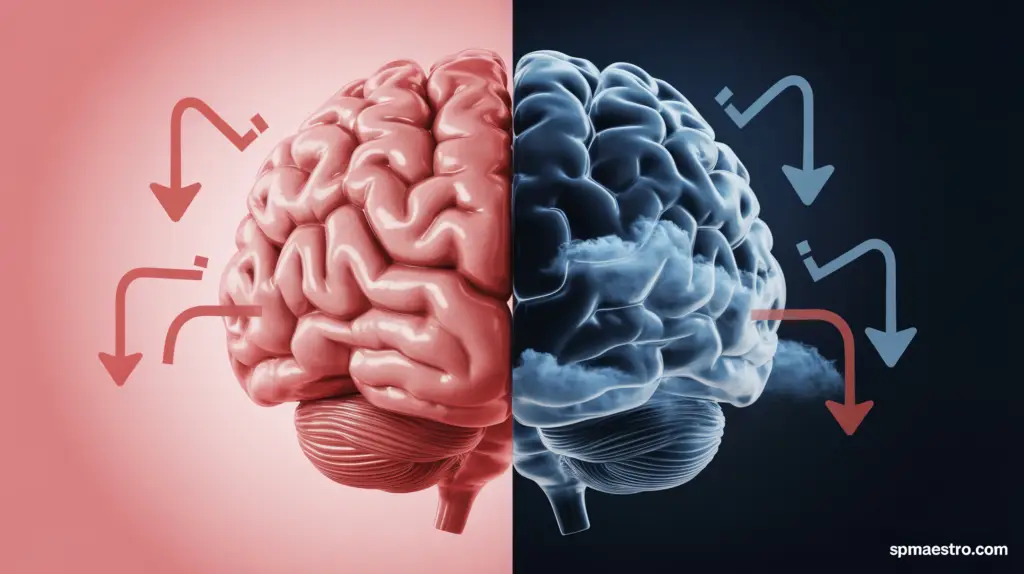
Your brain responds to your lifestyle choices in powerful ways. Understanding what degrades versus what develops your neural connections is the first step toward intentional neuroplasticity brain training.

When Your Brain Degrades: Warning Signs to Watch

When Your Brain Degrades

Your brain literally shrinks when subjected to certain conditions. Here’s what damages your neural networks:

  • Low Physical Activity Reduced blood flow leads to weakened neural pathways and decreased capacity for forming new brain networks. Your brain needs oxygen and nutrients that only movement can provide.
  • Chronic Stress Prolonged stress hormones damage crucial brain structures, particularly the hippocampus responsible for memory. Stress literally erodes your cognitive resilience over time.
  • Poor Sleep Quality Without quality rest, your brain can't consolidate memories or clear toxic waste products. Sleep deprivation prevents the essential maintenance your neural connections require.
  • Unhealthy Diet Processed foods and sugar create inflammation that impairs neuroplasticity. Your brain is 60% fat—it needs quality nutrition to build healthy cell membranes.
  • Fragmented Attention Constant digital distractions prevent deep focus, limiting your brain's ability to form strong neural connections. Every notification weakens your concentration capacity.
  • Lack of Cognitive Challenge When you stop learning, neural pathways that aren't used begin to prune away. Your brain follows a "use it or lose it" principle.

These factors don’t just prevent growth—they actively reverse your brain’s capabilities. The good news? You can turn this around starting today.

How Your Brain Develops: The Neuroplasticity Advantage

The Neuroplasticity Advantage neuroplasticity brain training

Now for the exciting part. Your brain thrives and expands when you provide the right conditions for growth:

  • Regular Physical Activity Movement stimulates BDNF (Brain-Derived Neurotrophic Factor), which acts like fertilizer for your brain. Exercise literally grows new neurons and existing brain pathways.
  • Healthy, Consistent Sleep During deep sleep, your brain strengthens important connections and prunes away unnecessary ones. Quality rest consolidates learning and clears metabolic waste.
  • Learning New and Challenging Skills Every time you push beyond your comfort zone, your brain creates new neural pathways. The struggle itself signals your brain to adapt and grow stronger.
  • Dedicated Attention Deep, focused work creates the strongest neural connections. When you practice sustained attention, you're literally building mental muscle
  • Active Social and Intellectual Engagement Meaningful conversations and social connections support brain plasticity and cognitive resilience. Your brain is inherently social and thrives on quality interaction.

The beautiful truth about brain neuroplasticity is that small, consistent actions compound into remarkable transformations over time.

5 Steps to Create New Neural Connections Through Neuroplasticity Brain Training

Ready to actively rewire your brain? These five research-backed steps will help you harness neuroplasticity for lasting cognitive enhancement.

5
Steps to Create New Neural Connections Through Neuroplasticity Training Brain

The brain's remarkable ability to rewire itself can be harnessed in 5 proven steps to help you build stronger neural connections, boost cognitive performance, and transform your mind through neuroplasticity training.

Focus and attention as the first step in neuroplasticity brain training

Step 1: FOCUS - Direct Your Attention Intentionally

Aspect Details
Core Idea New neural connections occur mainly if the brain networks you want to strengthen receive focused attention. This isn't passive awareness — it's deliberate, concentrated engagement.
Why Focus Matters Your brain allocates resources to whatever captures your sustained attention. When you focus deeply, you release neuromodulators like acetylcholine that mark specific neural circuits for strengthening.
Practical Example Remove distractions and stay present with the task at hand. If you're learning piano, don't just go through the motions. Focus intently on each note, each finger position, each sound you create.
Implementation Tips • Create a distraction-free environment before important tasks
• Use the Pomodoro Technique (25 minutes of focused work, 5-minute breaks)
• Practice single-tasking instead of multitasking
• Notice when your mind wanders and gently redirect your attention
Key Takeaway The quality of your attention determines the quality of your neural rewiring. Master focus, and you master neuroplasticity brain training.
Consistent practice strengthens neural pathways in brain neuroplasticity training

Step 2: PRACTICE - Engage in Consistent Repetition

Aspect Details
Core Idea Consistent, targeted practice repeatedly activates the same brain pathways, making them stronger over time.
The Science Neurons that fire together, wire together. Each repetition strengthens the synaptic connections between neurons, making the pathway more efficient and automatic.
Practical Example Try daily journaling with your non-dominant hand. Each day the task becomes easier as your brain builds dedicated neural circuits for this new skill.
Key Practice Principles • Consistency beats intensity — daily 15-minute sessions outperform weekly marathon sessions
• Focus on quality repetitions rather than mindless drilling
• Practice with full engagement, not while distracted
• Track your progress to stay motivated and notice improvements
Key Takeaway Practice doesn't make perfect — practice makes permanent. What you repeatedly do is what your brain becomes optimized for.
Progressive challenge in neuroplasticity training pushing the brain beyond comfort zones

Step 3: REPETITION - Strengthen Neural Pathways

Aspect Details
Core Idea Regular repetition strengthens synapses and solidifies new pathways, making skills more automatic.
How It Works Each time you repeat an action or thought pattern, the myelin sheath around neural pathways thickens, allowing signals to travel faster and more efficiently. This is how skills become "second nature."
Practical Example Practice the same piano song every day in your morning routine. Within weeks, your fingers will move automatically, requiring minimal conscious effort.
Repetition Strategies • Space your repetitions over time (spaced repetition is more effective than cramming)
• Vary the context slightly to build robust, flexible neural pathways
• Review and reinforce learning within 24 hours for better retention
• Use mnemonics and memory techniques to make repetition more efficient
Key Takeaway The magic happens in the mundane moments of showing up day after day. Neuroplasticity brain training rewards persistence.
REPETITION Strengthen Neural Pathways neuroplasticity brain training

Step 4: CHALLENGE - Expand Beyond Your Comfort Zone

Aspect Details
Core Idea Slightly increasing difficulty expands and refines the neural networks associated with that skill.
The Growth Edge Your brain doesn't change when tasks are too easy or impossibly hard. The sweet spot is when something is just beyond your current capability — challenging but achievable.
Practical Example Change the route home, try cooking a new complex recipe, or attempt increasingly harder puzzles. Each challenge signals your brain to adapt.
Progressive Challenge Framework • Master basics before progressing (build foundation first)
• Increase difficulty by 10-15% when tasks become comfortable
• Embrace productive struggle — that's where growth happens
• Combine multiple skills for compound cognitive benefits
• Try activities that require both mental and physical coordination
Key Takeaway When you challenge yourself appropriately, you trigger the release of growth factors that support brain neuroplasticity. Discomfort is the price of transformation.
Allow Time for Consolidation

Step 5: RECOVERY - Allow Time for Consolidation

```html
Aspect Details
Core Idea During rest and sleep, new connections are consolidated and strengthened, making learning permanent.
Why Recovery Is Essential Your brain doesn't grow during practice — it grows during recovery. Sleep is when your brain replays experiences, strengthens important connections, and clears out metabolic waste.
Practical Example Alternate intense learning days with lighter review days. Prioritize 7-9 hours of quality sleep nightly, especially when learning new skills.
Recovery Best Practices • Maintain consistent sleep and wake times
• Create a dark, cool sleeping environment (65-68°F is ideal)
• Avoid screens 1-2 hours before bed
• Practice stress-reduction techniques like meditation or yoga
• Take strategic breaks during learning sessions (the brain consolidates during these gaps)
• Consider power naps (10-20 minutes) for mid-day cognitive refreshment
Key Takeaway Never underestimate rest. Recovery isn't laziness — it's when the magic of neuroplasticity brain training actually happens.
Random Interesting Post

The Science Behind Neuroplasticity: Key Mechanisms

Type What Happens Key Insight
Synaptic Plasticity Connections between neurons (synapses) strengthen or weaken. Long-term potentiation (LTP) strengthens frequently used connections, while long-term depression (LTD) weakens unused ones. Consistent practice literally changes the efficiency of signal transmission between brain cells.
Structural Plasticity Your brain can create entirely new neurons (neurogenesis) and new neural pathways, primarily in the hippocampus — a region crucial for learning and memory. Exercise, learning, and environmental enrichment all promote neurogenesis, giving you fresh neural resources to work with.
Functional Plasticity When one brain area is damaged, other areas can sometimes compensate by taking over its functions — underlying much of stroke recovery and brain injury rehabilitation. You can develop new cognitive strengths at any age by consistently training specific brain regions.

Practical Neuroplasticity Brain Training Exercises

# Exercise How It Works Getting Started
1 Learn a Musical Instrument Engages multiple brain regions simultaneously, creating rich neural networks. Just 15 minutes of daily practice produces measurable brain changes.
2 Practice Mindfulness Meditation Increases grey matter density in areas associated with learning, memory, and emotional regulation. Start with just 5 minutes daily and build gradually.
3 Master a New Language Creates extensive new neural pathways and has been shown to delay cognitive decline. Use apps, classes, or immersion experiences to stay consistent.
4 Engage in Aerobic Exercise Increases BDNF levels, promoting neurogenesis and enhanced brain neuroplasticity. Aim for 30 minutes of running, swimming, or cycling — 5 times weekly.
5 Try Brain Training Games Strategic games like chess, Sudoku, or brain training apps support cognitive function when combined with other activities. Use as a supplement — not a replacement — for real-world skill learning.
6 Practice Juggling Studies show juggling creates measurable increases in brain grey matter within weeks. A perfect neuroplasticity challenge — start with two balls and progress slowly.
7 Use Your Non-Dominant Hand Creates new neural pathways and enhances brain lateralization. Brush your teeth, eat, or write with your non-dominant hand daily.
Key Takeaway: Variety is essential — your brain thrives on novel challenges that combine physical, mental, and social elements.

Common Neuroplasticity Myths Debunked

Myth Reality
"You can't teach an old dog new tricks" Brain plasticity continues throughout life. While it may slow with age, research shows 80-year-olds can still form new neural connections and learn new skills with proper training.
"You only use 10% of your brain" You use all of your brain, just different areas for different functions. Brain imaging shows activity throughout the entire brain during various tasks.
"Brain training games make you smarter overall" Most brain games improve specific task performance but don't necessarily transfer to general intelligence. Real-world skill acquisition and varied challenges are more effective.
"Neuroplasticity is always positive" Your brain adapts to whatever you practice — good or bad. Rumination, anxiety, and bad habits also create strong neural pathways through negative neuroplasticity.
"Left brain vs. right brain determines personality" This popular theory has been largely debunked. Both hemispheres work together for most cognitive functions, and brain lateralization is far more nuanced.

Lifestyle Factors That Supercharge Brain Neuroplasticity

Lifestyle Factor Key Practices Why It Matters
Nutrition Omega-3 fatty acids (fish, walnuts, flaxseed) — support cell membrane health
Antioxidants (berries, dark chocolate) — protect against oxidative stress
B vitamins (leafy greens, eggs) — support neurotransmitter production
Protein — provides amino acids for neurotransmitter synthesis
Hydration — maintains optimal brain volume and function
Your brain requires specific nutrients to build and maintain neural connections. The Mediterranean diet is extensively researched for brain health benefits.
Social Connection • Reduce stress hormones that damage neural connections
• Stimulate cognition through conversation
• Offer emotional support that protects brain health
• Create opportunities for novel experiences
Meaningful relationships support neuroplasticity. Isolation, conversely, accelerates cognitive decline — prioritize quality time with friends and loved ones.
Stress Management Deep breathing — activates the parasympathetic nervous system
Regular exercise — metabolizes stress hormones
Set boundaries — protects your mental energy
Gratitude practices — maintains perspective
Professional support — when needed
Chronic stress is neuroplasticity's enemy. Your stress management directly determines your brain's capacity for positive change.
Environmental Enrichment • Surround yourself with learning opportunities (books, puzzles, creative materials)
• Seek novel experiences and travel when possible
• Engage with nature regularly (reduces mental fatigue)
• Cultivate inspiring, growth-minded relationships
• Minimize exposure to toxins (pollution, excessive alcohol, drugs)
Your environment shapes your brain. A rich environment literally creates a richer brain structure.

Measuring Your Neuroplasticity Progress

Category Signs of Progress
Cognitive Markers • Improved memory recall and retention
• Faster learning of new skills
• Enhanced problem-solving abilities
• Better attention span and focus
• Increased mental flexibility and creativity
Behavioral Indicators • New skills becoming automatic
• Reduced effort required for previously challenging tasks
• Increased confidence in learning abilities
• Greater resilience in facing cognitive challenges
• Improved mood and stress management
Physical Signs • Better coordination and motor skills
• Improved reaction time
• Enhanced sensory processing
• More restful, efficient sleep
• Increased energy and mental clarity
Tracking Tip Keep a learning journal to track your progress over weeks and months. The changes can be subtle but accumulate significantly over time.

Neuroplasticity Across the Lifespan

Life Stage Plasticity Level Key Focus
Childhood & Adolescence Highest — millions of new connections forming daily Language acquisition, skill development, and habit formation. This is the critical window for foundational brain wiring.
Young Adulthood High — brain remains highly adaptable Specialized skill development and career training. An optimal time to build deep expertise and mastery.
Middle Age Moderate — requires more intentional effort Maintaining cognitive reserve through consistent learning, social engagement, and regular physical activity.
Later Life Slower — but absolutely still possible Consistent engagement, patience, and appropriate challenge levels. New neural connections can still form at any age.
Key Takeaway You're never too old to benefit from neuroplasticity brain training. Start where you are — and your brain will respond.

Taking Action: Your Neuroplasticity Training Plan

Phase Timeline Action Steps
Assessment & Foundation Week 1–2 • Evaluate current lifestyle habits affecting brain health
• Choose one new skill or challenge to focus on
• Establish baseline sleep, exercise, and nutrition habits
• Remove obvious obstacles to focus (digital distractions, etc.)
Building Momentum Week 3–6 • Practice your chosen skill daily for 15–30 minutes
• Add one brain-healthy habit weekly (meditation, exercise, new food)
• Track progress in a journal
• Notice and celebrate small improvements
Deepening Practice Week 7–12 • Increase practice intensity or duration gradually
• Add complexity to your challenges
• Incorporate variety while maintaining consistency
• Connect with others learning similar skills
Sustainable Mastery Beyond 3 Months • Make neuroplasticity training a permanent lifestyle
• Rotate focus between different skills and domains
• Share knowledge by teaching others (teaching reinforces learning)
• Continuously adjust challenge levels to maintain growth
Key Takeaway Neuroplasticity brain training isn't a temporary project — it's a lifelong practice of intentional cognitive development.

Conclusion: Your Brain's Limitless Potential Awaits

Element Details
Core Message Your brain possesses remarkable capacity for change, growth, and adaptation throughout your entire life. Neuroplasticity brain training isn't just about becoming "smarter" — it's about becoming more capable, more resilient, and more fully yourself.
The 5-Step Framework Every investment in focused practice builds your brain's architecture. The five proven steps — Focus, Practice, Repetition, Challenge, and Recovery — provide a framework for intentional neural rewiring.
Your Action Plan • Start small — choose one practice from this guide
• Commit to consistency over intensity
• Watch as your brain transforms over time
• Trust that your potential is far greater than you imagined
Final Reminder Your brain is waiting to be shaped by your choices. The journey of neuroplasticity brain training begins with a single focused moment — and that moment can be right now.

FAQs

FAQs

Q: What is neuroplasticity and how does it work?

Neuroplasticity is the brain's ability to reorganize itself by forming new neural connections throughout life. It works through strengthening frequently used pathways (long-term potentiation) while weakening unused ones (synaptic pruning), allowing the brain to adapt to learning, experience, and environmental changes.

Q: Can you improve brain neuroplasticity at any age?

Yes, brain neuroplasticity continues throughout life, though it may be most robust during childhood and adolescence. Research shows that adults and even elderly individuals can form new neural connections through consistent learning, physical exercise, quality sleep, and cognitive challenges.

Q: How long does neuroplasticity brain training take to show results?

A: Initial changes can occur within days to weeks of consistent practice, but measurable structural changes typically require 4-8 weeks of dedicated training. Long-term mastery and permanent rewiring develop over months to years of sustained practice with proper recovery.

Q: What are the best exercises for neuroplasticity brain training?

The most effective exercises combine physical, mental, and social elements: learning musical instruments, practicing meditation, acquiring new languages, aerobic exercise, strategic games, and novel motor skills like juggling. Variety and progression are key to maximizing results.

Q: Does sleep really affect neuroplasticity?

A: Absolutely. Sleep is essential for neuroplasticity because it's when the brain consolidates new learning, strengthens important neural connections, and clears metabolic waste. Studies show that sleep deprivation significantly impairs the brain's ability to form new connections and retain learning.

Q: Can negative habits create neuroplasticity too?

Yes, neuroplasticity is neutral—your brain adapts to whatever you repeatedly practice, whether positive or negative. Rumination, anxiety patterns, and unhealthy habits create strong neural pathways just like beneficial practices do, which is why breaking bad habits requires intentional rewiring.

Q: What foods support brain neuroplasticity?

Foods rich in omega-3 fatty acids (salmon, walnuts), antioxidants (blueberries, dark chocolate), B vitamins (leafy greens), and quality protein support neuroplasticity. The Mediterranean diet has been extensively researched for its brain health benefits.

Q: How does stress impact neuroplasticity brain training?

A: Chronic stress damages neuroplasticity by releasing cortisol, which can shrink the hippocampus and impair memory formation. It also reduces BDNF levels, limiting the brain's ability to form new connections. Effective stress management is essential for optimal brain plasticity.

Explore Inspiring Spiritual Websites

Aumaujaya.org

A spiritual website filled with inspiring content to help you deepen your understanding of mindfulness and living in the present. Explore their teachings to enrich your journey toward inner peace.

Visit Website →

Auysa.org

A platform dedicated to motivating and uplifting the spirit of youth. If you’re looking for ways to inspire younger generations to embrace the present, this is a fantastic resource.

Visit Website →

Shreeprabhu.org

A spiritual website with inspiring content centered around the idea of “Universal Oneness.” Their teachings align beautifully with the art of being present and finding happiness in every moment.

Visit Website →

Leave a Comment

Your email address will not be published. Required fields are marked *

EN
Scroll to Top