
Knowledge of Good Couple
15 common myths about sex, pregnancy and STIs, and the facts every couple deserves to know.
Knowledge of Good Couple
Most of what we learn about sex comes from friends, films and the internet. Some of it is true. A lot of it is half true, and a few beliefs are risky.
This book takes 15 of the most common myths and sets each one beside the facts. Every myth gets a two-page spread: what people believe and why, then what the evidence says, with diagrams, practical tips and clear signs for when to see a doctor.
It is written for adults: couples, newly-weds, people planning a family, and anyone who wants plain, respectful answers.

Medical note
This book is for general education. It does not replace advice from a qualified doctor. For any health concern, contraception choice or test, please consult a healthcare professional.
Contents
Tap any line to jump to that page.
How to read this book
Each myth opens on a left-hand page and continues on the right. The same signs appear on every spread, so you always know what you are looking at.
A myth is shown in a rose band and struck through.
The fact is shown in a green band. This is the part to remember.
Tip boxes
Yellow boxes with a light bulb hold practical tips you can use straight away.
Doctor boxes
Blue boxes list the signs that mean it is time to speak with a doctor or visit a clinic.
Every photo and diagram has a caption underneath that explains it. Chapter colours on the page edge help you find your place.
Sexual health in six numbers
Keep these figures in mind as you read. Each one is explained later in the book.
Pregnancy & Contraception
Pregnancy is about biology and timing, not luck or experience. Once you understand how and when it can happen, choosing contraception becomes much simpler.

How pregnancy happens
An egg and a sperm have to meet at the right time. The egg lives only about a day, but sperm can wait for it for up to five days. That is why the fertile window is about six days long.
Good to know
Ovulation timing changes with stress, illness, travel and after childbirth. Calendar counting alone is not a reliable way to avoid pregnancy.
First-time sex and pregnancy
You can’t get pregnant the first time you have sex.
Pregnancy can happen any time sperm meets an egg, including the very first time.

The idea seems to come from the belief that the body needs “practice”, or that a first experience is different in some physical way. Stories of couples who did not conceive straight away also feed it. None of this changes how ovulation works.
Pregnancy depends on whether an egg is present, not on whether it is someone’s first time. The hymen also has nothing to do with it; it does not block sperm and is not a sign of virginity. A well-known study of 221 couples found that one act of unprotected sex on the most fertile days carried about a one-in-three chance of pregnancy.
Good to know
Not ready for a pregnancy? Start contraception before the first time, and choose a method together with a doctor or pharmacist.
See a doctor if
your period is late after unprotected sex, or a condom broke. Emergency contraception works best within 24 hours and can be used up to 3 days after (a copper IUD up to 5 days).
The withdrawal method
If he pulls out in time, you won’t get pregnant.
Withdrawal is not reliable. Pregnancy can still happen, and it gives no protection against STIs.
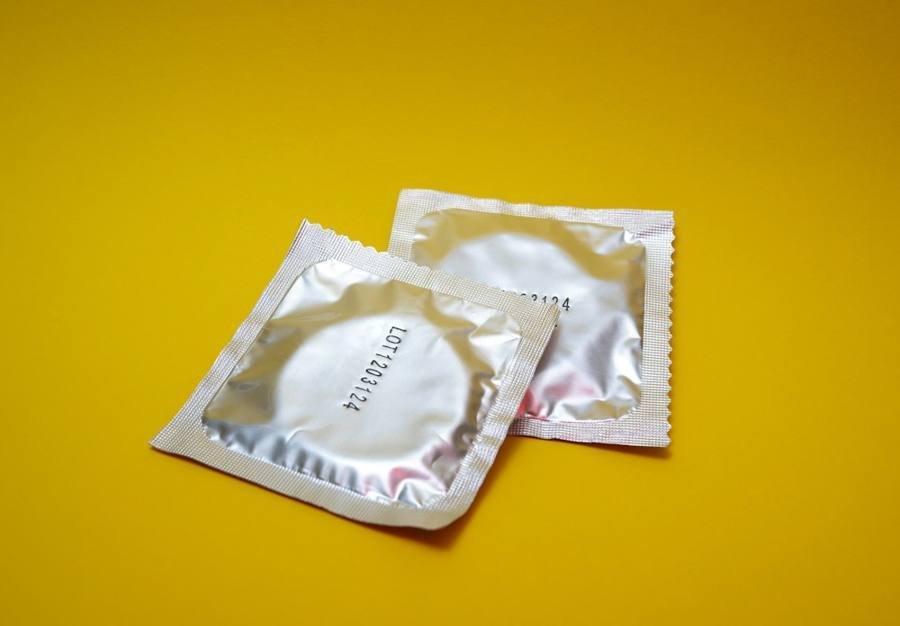
Withdrawal is free, needs no planning and no visit to a shop, and it does lower the risk compared with doing nothing. Because it sometimes “works”, couples assume it always will. Its failures are quiet: a few seconds of lost control, or sperm in pre-ejaculate.
With typical, real-life use, about 20 in every 100 couples who rely on withdrawal become pregnant within a year. Fluid released before ejaculation can carry sperm, and timing withdrawal perfectly every single time is very hard. Long-acting methods such as an implant or IUD are more than 20 times more effective.
Good to know
Pairing two methods, for example condoms with the pill, gives strong protection against pregnancy and adds STI protection.
See a doctor if
you have relied on withdrawal and your period is late, or you want help choosing a method that suits your health and plans.
Hormonal contraception and fertility
Birth control pills cause permanent infertility.
Fertility usually returns soon after stopping. Hormonal contraception does not cause lasting infertility.
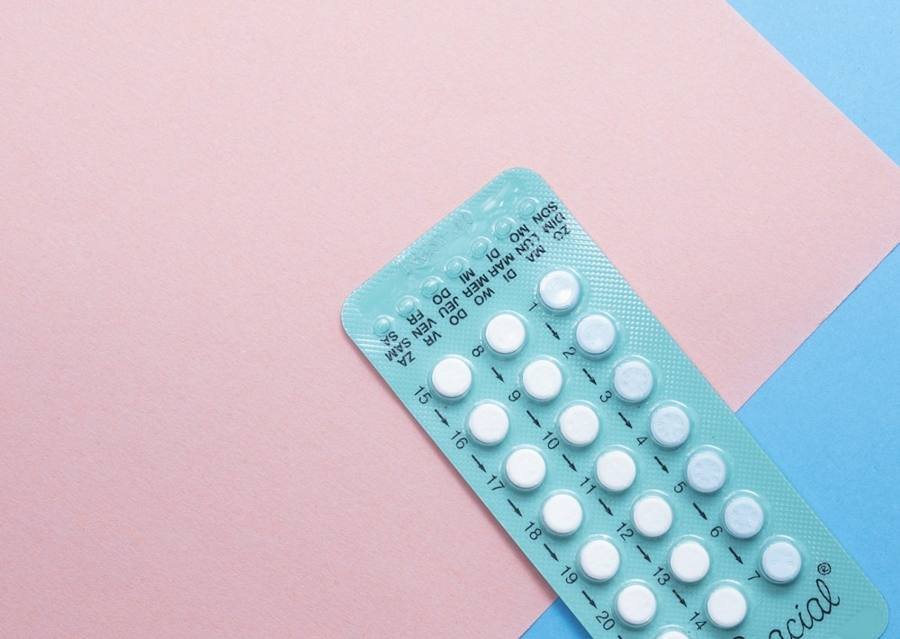
Some people stop the pill and take a few months to conceive, so they blame the pill. Often the real reasons are age, an underlying condition the pill was hiding (such as irregular periods), or simply normal waiting time; most healthy couples take several months to conceive.
Large reviews of tens of thousands of women show that pregnancy rates in the year after stopping contraception (around 8 in 10) are about the same as for women who never used it. Pills, patches, rings, implants and IUDs wear off quickly. The contraceptive injection is the exception: fertility can take around 10 months, sometimes longer, to return after the last shot.
Good to know
If you plan a baby within a year or so, mention it when choosing a method. A pill, implant or IUD may suit you better than the injection.
See a doctor if
you are under 35 and have not conceived after 12 months of trying, or after 6 months if you are 35 or older, or if periods do not return within 3 months of stopping the pill.
Sex during your period
You can’t get pregnant during your period.
Pregnancy is less likely during a period, but it is possible, especially with shorter cycles.

Bleeding feels like the body’s clear signal that it is not fertile, and for many days of a typical cycle that is roughly right. The risk hides in the overlap: a long period, a short cycle, and sperm that can survive for days.
In a short cycle, ovulation can happen as early as a week after the period starts. Sperm from sex near the end of a period can survive up to five days and still be there when the egg is released. Some people also have spotting around ovulation and mistake it for a period. Infection risk, including HIV, can be higher during a period, so protection still matters.
Good to know
Period sex is safe and normal if you both want it. Just keep using your usual contraception and condoms if STIs are a concern.
See a doctor if
your cycles are often shorter than 21 days, longer than 35 days, very heavy, or very painful. These can point to treatable conditions.
Breastfeeding and pregnancy
You can’t get pregnant while you are breastfeeding.
Breastfeeding only protects in strict conditions. Ovulation can return before your first period.

Breastfeeding does delay fertility, and in the early weeks it can protect very well, which is why the belief persists. The catch is that protection fades as the baby feeds less often, and the first ovulation comes before the first period, so there is no warning sign.
Doctors call this the Lactational Amenorrhoea Method (LAM). When all three conditions on this page are true, it prevents about 98 out of 100 pregnancies. Once any one changes, protection drops sharply. Many methods are safe while breastfeeding, including condoms, the copper IUD, hormonal IUDs, implants and progestin-only pills.
Good to know
Ask about contraception at your delivery check-up or six-week visit. An IUD can even be placed right after birth.
See a doctor if
you have had unprotected sex after the baby turns six months, after starting other feeds, or after any bleeding returns, and you do not want another pregnancy yet.
Understanding STIs
Sexually transmitted infections are common, mostly hidden, and almost always treatable or manageable. The biggest danger is not the infection itself but not knowing about it.

The eight most common STIs
The World Health Organization groups eight infections as the most common. Four can be cured with medicine. The other four are viruses that can be prevented, controlled or cleared.
| Infection | Caused by | Outlook |
|---|---|---|
| Chlamydia | Bacteria | Curable |
| Gonorrhoea | Bacteria | Curable |
| Syphilis | Bacteria | Curable |
| Trichomoniasis | Parasite | Curable |
| Herpes (HSV) | Virus | Manageable |
| HPV | Virus | Vaccine + often clears |
| Hepatitis B | Virus | Vaccine + treatable |
| HIV | Virus | Manageable |
Good to know
HPV and hepatitis B vaccines are safe and very effective. Ask a doctor whether you and your partner are vaccinated.
STIs and who they affect
STIs only affect certain types of people.
Anyone who is sexually active can get an STI, whatever their age, gender, income or relationship status.

Shame and stereotypes make STIs feel like something that happens to “other people”. That belief is comforting, but it stops people from using protection and from getting tested, which is exactly how infections keep spreading.
The World Health Organization estimates that more than one million curable STIs are picked up every day worldwide, among people of every background. Risk depends on what people do, such as sex without a condom, a new partner, or a partner’s past, not on who they are. Married people and long-term couples can be affected too, often from infections picked up years earlier.
Good to know
“Clean” is not a medical word. Ask “When were you last tested, and for what?” It is clearer and kinder.
See a doctor if
you or a partner has had a new partner since your last test, or you notice sores, unusual discharge, burning when passing urine, or pelvic pain.
Oral and anal sex
You can’t get STIs from oral or anal sex.
STIs spread through oral, anal and vaginal sex. Some infections pass easily through skin contact alone.

Many people think of “sex” only as vaginal intercourse, so other contact feels risk-free. Oral sex also cannot cause pregnancy, which can make it feel “safe” in every sense. But viruses and bacteria do not follow those categories.
Gonorrhoea, chlamydia and syphilis can infect the throat and rectum as well as the genitals. Herpes and HPV pass through skin-to-skin contact, and HPV in the throat is now a leading cause of some mouth and throat cancers. Anal sex carries the highest risk of HIV transmission of any sexual act, because the lining is thin and tears easily.
Good to know
Condoms for oral and anal sex, plenty of lubricant for anal sex, and throat or rectal swabs at testing time if relevant. Ask the clinic; it is routine for them.
See a doctor if
you have a persistent sore throat, mouth sores, or anal pain, bleeding or discharge after sex.
Appearance and STIs
A healthy-looking person can’t have an STI.
Many people with STIs look and feel completely healthy. Testing is the only way to know.

We are used to judging illness by how someone looks or feels. A partner who is clean, fit and caring seems “safe”, and it can feel rude to ask about testing. But most STIs cause no visible change at all.
Most people with chlamydia have no symptoms. Gonorrhoea often causes none in women. Most HPV and many herpes infections are silent, and people can live with HIV for years before feeling unwell. Someone can feel completely healthy and still pass an infection on, without ever knowing they had it.
Good to know
Get tested together before stopping condoms in a new relationship. Treat it as a shared health check, like a blood-pressure reading, not a question of trust.
See a doctor if
you are starting a new relationship, planning a pregnancy, or a past partner tells you they have tested positive, even if you feel completely well.
Symptoms of STIs
STIs are always painful or noticeable.
Many STIs have no symptoms but can still cause serious long-term health problems if left untreated.

When people do hear about STIs, it is usually the dramatic cases with obvious sores or pain. So the absence of pain feels like proof of health. Silent infections still cause damage, slowly and out of sight.
Untreated chlamydia and gonorrhoea can spread to the womb and tubes, causing pelvic inflammatory disease, long-term pain and infertility. Untreated syphilis can damage the heart and brain and can pass to a baby in pregnancy. Persistent high-risk HPV can lead to cancer. All of these outcomes are preventable with early testing.
Good to know
Women aged 25–65 should have regular cervical screening (an HPV test or Pap smear), usually every 3 to 5 years.
See a doctor if
you have burning on urination, unusual discharge, sores or lumps, bleeding after sex or between periods, or lower belly pain.
STIs and self-worth
Once you’ve had an STI, you’re “dirty” forever.
STIs are common and treatable. Having one is a health event. It says nothing about your worth.

Decades of fear-based messages tied STIs to morality. Shame is powerful: it stops people from getting tested, from telling partners, and from finishing treatment. That silence helps infections spread far more than the infections themselves.
Bacterial STIs such as chlamydia, gonorrhoea and syphilis are cured with a short course of medicine. Herpes and HIV are long-term but well managed. A person with HIV who takes treatment and keeps an undetectable viral load does not pass HIV on through sex, a finding known as “Undetectable = Untransmittable”. People with past STIs have healthy relationships and families.
Kindness tip
If a partner tells you they have an STI, thank them. It took courage, and it protects your health.
Support
you feel anxious, low or isolated after a diagnosis. Counsellors at sexual health clinics help with exactly this, confidentially.
Body & Hygiene
The body is designed to look after itself. Good intimate hygiene is mostly about doing less: water, a gentle routine, and knowing what is normal for you.

The body’s natural balance
The vagina keeps itself clean. Friendly bacteria called lactobacilli make it mildly acidic, which keeps harmful germs and yeast in check. Anything that changes this pH can let infections take hold.
Rinse the outer area (vulva) with plain water or a mild, unscented wash. Wipe front to back. Cotton underwear.
Wash daily with water. If uncircumcised, gently pull back the foreskin and rinse underneath. Dry well.
Good to know
Passing urine soon after sex helps flush bacteria from the urethra and can lower the chance of urinary infections.
Douching
Douching cleans the vagina and prevents infections.
Douching upsets the vagina’s natural balance and raises the risk of infection.

Advertising has long sold the idea that the vagina needs extra cleaning, and a mild natural scent is often mistaken for poor hygiene. Douching gives a brief feeling of freshness, which seems to confirm it is working.
Douching flushes out the lactobacilli that protect the vagina. Studies link regular douching with bacterial vaginosis, yeast infections and pelvic inflammatory disease, and medical bodies advise against it. A natural scent is healthy. A strong or fishy smell is a sign to see a doctor, not to wash more.
| Usually normal | Get it checked |
|---|---|
| Clear or white discharge | Grey, green or yellow |
| Changes through the cycle | Strong fishy smell |
| Mild, natural scent | Thick, cottage-cheese texture |
| No itching or pain | Itching, burning or soreness |
Good to know
Skip perfumed washes, wipes, sprays and powders on intimate areas. Plain water outside is enough.
Size and pleasure
A larger penis size equals better sex.
Size does not decide satisfaction. Communication, technique and emotional connection matter most.

Films, jokes and advertising have made size a symbol of masculinity. Most men who worry about it are in fact average, and the worry itself, not the size, is what tends to cause problems such as performance anxiety.
A review of measurements from more than 15,000 men found the average erect length is about 13 cm, and most men fall close to it. The most sensitive areas for women are near the entrance of the vagina and the clitoris, so depth matters far less than people assume. Surveys of couples point to communication, affection and taking time as what makes sex satisfying.
Good to know
Ask your partner what they enjoy, and listen without defending yourself. Going slowly and staying curious improves sex at any age.
See a doctor if
worry about size or performance is affecting your confidence or relationship, or you have erection problems. These are common and very treatable.
Desire, Consent & Talking
Good sex and good health both rest on the same skill: talking openly. This chapter is about respecting each other’s wishes, every time, and finding the words.

Consent in five letters
Consent is an ongoing, shared agreement, and it applies in marriage and long relationships just as much as on a first night. A simple memory aid is the word FRIES.
Good to know
Checking in can be warm and simple: “Is this okay?”, “Do you want to keep going?”, “What would feel good?”
Sexual desire and consent
Men always want sex.
Desire varies for everyone. Consent is needed every time, whatever a person’s gender.

Cultural scripts cast men as always ready and women as gatekeepers. This puts pressure on men to perform and makes it harder for anyone to say “not tonight”. It can also lead people to assume consent instead of asking.
Desire rises and falls with stress, sleep, health, medicines, hormones and how connected a couple feels. Researchers describe two normal patterns: desire that arrives on its own, and desire that grows after closeness begins. Men experience low desire too. Whatever anyone feels, sex without a willing “yes” is not consent, including within marriage.
Good to know
Mismatched desire is the most common sexual issue couples face. Treat it as a shared puzzle to solve, not a sign that something is wrong with one person.
See a doctor if
low desire is persistent and bothers you, or comes with tiredness, low mood or pain. Hormones, medicines and health conditions can all play a part.
Sexual health in relationships
Sexual health isn’t important if you’re in a relationship.
Sexual health matters in every relationship. Openness, testing and protection still count.

Commitment can make health checks feel unnecessary, or even like an accusation. Many couples also stop thinking about sexual health once contraception is sorted. But infections can be carried silently for years, and health needs change over a lifetime.
Herpes, HPV and hepatitis B can be carried for years without symptoms, so a long relationship is no guarantee. Needs also change over time: planning and spacing pregnancies, health after childbirth, and ageing. Talking about this together builds trust, not doubt.
Good to know
Raise testing or family plans at a calm, private moment, and start with “we”, not “you”.
See a doctor if
either partner notices new symptoms, you are planning a pregnancy, or it has been more than a year since your last check-up.
Talking about sex
Talking about sex is inappropriate.
Open, respectful conversations about sex lead to safer choices, better health and closer relationships.

Many of us grew up in homes where sex was never discussed, so the topic feels embarrassing or disrespectful. Silence can feel like modesty. But silence leaves people relying on rumours, and it makes asking a partner or a doctor feel impossible.
Couples who talk openly about sex report higher satisfaction and use contraception and protection more consistently. People who can talk comfortably with a doctor are diagnosed and treated earlier. Good conversations do not need special words, just honesty, respect and a willingness to listen.
Conversation starters
Try a starter: “I read something today that surprised me…”, “Can we talk about what we both want?”, or “When did you last have a check-up?”
Get support
talking about sex always ends in conflict, or one of you feels pressured. A couples counsellor or sexual health clinic can help.
Myth or Fact?
Decide for each statement, then tap Answer to check. Try it with your partner.
1. You can get pregnant the first time you have sex.
2. Withdrawal works as well as condoms.
3. The pill can make you infertile for life.
4. Pregnancy is possible from sex during a period.
5. Breastfeeding always prevents pregnancy.
6. You can get STIs through oral sex.
7. If a partner looks healthy, they can’t have an STI.
8. Untreated chlamydia can affect fertility.
9. Douching keeps the vagina healthy.
10. Being married means consent is automatic.
11. Most STIs are treatable or manageable.
12. Couples who talk about sex use protection more consistently.
How did you do?
Score 10 or more? You know more than most adults. Share the book with someone who could use it.
When to see a doctor

Glossary
Where to get help
Free and confidential help is available. In India, these services are run by the government:
| 1097 | National AIDS Helpline (NACO), toll-free, for HIV and STI questions |
| ICTC | Integrated Counselling & Testing Centres at government hospitals: free, confidential HIV testing |
| Suraksha Clinics | Free STI diagnosis and treatment at district hospitals |
| 181 | Women Helpline, for women facing pressure or violence |
| 112 | National emergency number |
Outside India, ask your local sexual health clinic, family doctor or pharmacist. The World Health Organization (who.int) publishes reliable sexual health information.

The 15 facts
A habit for couples
Read one spread a week together and talk about it. Small, regular conversations make a big difference.

Knowledge of Good Couple
Healthy relationships are built on trust, respect and accurate knowledge. This book replaces fifteen common myths with clear, evidence-based facts on pregnancy, contraception, STIs, hygiene, desire and consent.
Accurate knowledge · Healthier choices
For general education only. Always consult a qualified healthcare professional about your own health. Photographs from Unsplash, credited on each page; back cover photo by Dev Asangbam.